Neuroqueering Executive Functioning
by mandy parida, ma, lmhc
july 11, 2026
A parent sits across from me and says, “They know what to do. They just won’t do it.”
Or someone tells me, “I just need to be more disciplined.”
Underneath both statements is the same assumption: Executive functioning is something that lives inside an individual. When it works well, we credit the person. When they struggle, we assume the problem is located within them.
I don’t think that’s the whole story.
To neuroqueer executive functioning is to challenge the assumption that thinking, planning, organizing, regulating, creating, and getting things done are meant to happen inside a single, independent individual.
The dominant story tells us that successful people should be able to manage everything on their own. They should stay focused, regulate their emotions, remember important details, initiate tasks, complete projects, and navigate life with minimal support. When neurodivergent people struggle to meet these expectations, the problem is often framed as a deficit within the individual.
A neuroqueer perspective asks a different question: What if executive functioning was never meant to be a solo activity?
While executive functioning depends on the brain, it does not emerge in isolation. It is continually shaped, supported, and extended through relationships, environments, tools, and culture.
Human beings have always borrowed attention, regulation, memory, motivation, creativity, structure, and momentum from one another. We use calendars, friends, routines, communities, music, movement, objects, environments, stories, and shared rituals to help us think, feel, remember, and act. Executive functioning does not live solely inside the brain. It emerges within relationships and systems.
Expressive arts offer a way of experiencing this directly. Rather than forcing expression into predetermined outcomes, we create conditions that allow ideas, emotions, stories, movements, images, and connections to unfold naturally. The materials become invitations rather than assignments. A drawing becomes a story. A story becomes a game. A feeling becomes a song. A moment of curiosity becomes a shared exploration.
From a neuroqueer perspective, this is executive functioning in action. Children are practicing flexibility, adaptation, problem-solving, decision-making, collaboration, emotional awareness, and self-direction. Not through compliance or performance, but through engagement, play, connection, and meaning-making.
To neuroqueer executive functioning is to move away from the question: “How do we help this child function independently?” and toward the question: “What conditions help this child come alive?”
Because when children have access to belonging, co-regulation, creativity, play, supportive relationships, and multiple pathways for expression, many of the capacities we call executive functioning begin to emerge naturally.
Executive functioning is not simply a collection of individual skills. It is a relational, creative, and collective process. It is something we do with one another.
Executive functioning is a team sport.
The language of neuroqueering is deeply influenced by the work of Nick Walker and others in the neurodiversity movement. My understanding has also been shaped by relational psychotherapy, expressive arts therapy, existential therapy, and developmental and attachment-based approaches. This essay reflects my own synthesis of those traditions in clinical practice.
About the author
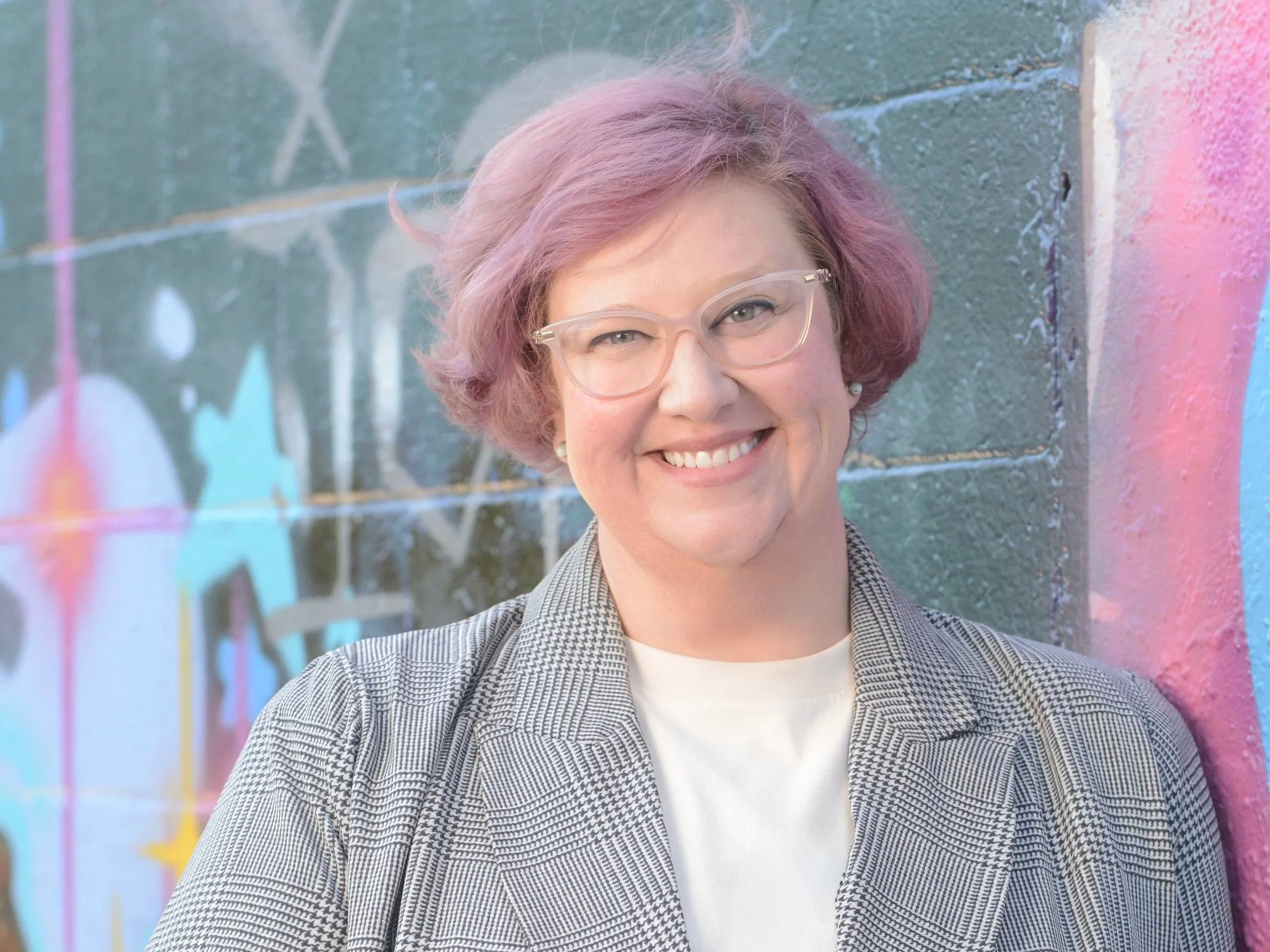
Mandy Parida, MA, LMHC is a neuroqueer therapist in Washington State specializing in neurodivergent adults, LGBTQIA+ clients, and those navigating identity, relationships, burnout, and life outside conventional expectations. Their approach integrates expressive arts, relational psychotherapy, existential inquiry, and neurodiversity-affirming care to help people better understand themselves.